
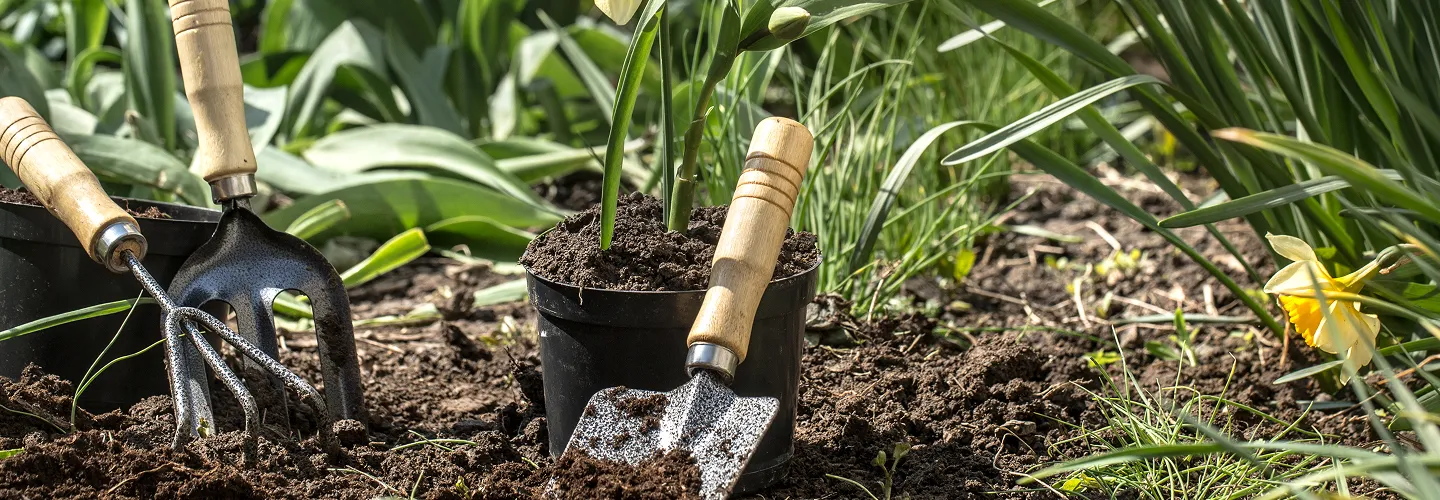
Santa Rita Ranch Dethatching Lawn Services
Choose our dethatching lawn services for a healthier, greener yard—our experienced team removes built-up thatch to improve water, nutrient, and air flow, ensuring your grass thrives all season long.
Get a Free QuoteOur Santa Rita Ranch Landscaping & Yard Care Services
When to Schedule Dethatching Lawn in Santa Rita Ranch, Texas – Seasonal Guide
In Santa Rita Ranch, Texas, the best time to schedule lawn dethatching is typically in late spring or early fall, when warm-season grasses like Bermuda and St. Augustine are actively growing. The region’s climate—characterized by hot summers, mild winters, and variable rainfall—means timing is crucial to avoid stressing your lawn. For neighborhoods near Liberty Hill and along Ronald Reagan Boulevard, it’s important to consider the last frost date, which usually falls in early March, and to avoid dethatching during periods of drought or extreme heat.
Local environmental factors such as the area’s clay-heavy soils, intermittent humidity, and the prevalence of shaded lots—especially near the Santa Rita Ranch Amenity Center—can all impact the ideal dethatching window. Homeowners should also be aware of municipal watering restrictions and seasonal precipitation patterns, which can affect lawn recovery after dethatching. For more information on local climate and landscaping guidelines, visit the Sudbury municipal resource.
Local Factors to Consider for Dethatching Lawn in Santa Rita Ranch
- Tree density and shade coverage, especially in established neighborhoods
- Soil type (clay or sandy soils affect thatch buildup and removal)
- Recent precipitation and forecasted rainfall
- Local frost dates and risk of late cold snaps
- Municipal watering restrictions and seasonal drought risk
- Terrain and drainage patterns unique to Santa Rita Ranch
Benefits of Dethatching Lawn in Santa Rita Ranch
Improved Lawn Health
Enhanced Grass Growth
Increased Water Absorption
Reduced Pest and Disease Risk
Boosted Curb Appeal
Professional Landscaping Expertise
Santa Rita Ranch Dethatching Lawn Types

Bermuda Grass Dethatching
-
St. Augustine Grass Dethatching
-
Zoysia Grass Dethatching
-
Buffalo Grass Dethatching
-
Fescue Grass Dethatching
-
Ryegrass Dethatching
-
Bluegrass Dethatching
Our Dethatching Lawn Process
Lawn Evaluation
Thatch Depth Measurement
Dethatching Equipment Setup
Thatch Removal
Cleanup and Disposal
Why Choose Santa Rita Ranch Landscape Services
Santa Rita Ranch Homeowners Trust Us
-
Expert Lawn Maintenance
-
Reliable Irrigation Solutions
-
Comprehensive Weed Control
-
Seasonal Clean-Up Services
-
Competitive Pricing
-
Professional Team
-
Satisfaction Guarantee
Dethatching Lawn Practices for Santa Rita Ranch’s Expansive Clay Soils
Santa Rita Ranch is characterized by Vertisols and Mollisols, notably the Houston Black clay series, which are expansive, alkaline (pH 7.5–8.2), and prone to compaction. These soils retain moisture but can develop dense thatch layers, impeding water infiltration and root growth. Dethatching should target a depth of 0.5–1 inch, with core removal every 2–3 years for optimal turf health. Soil testing is recommended through Texas A&M AgriLife Extension to determine amendment needs, such as lime or sulfur applications. Compost incorporation (2–3 inches tilled to 6-inch depth) is advised for improved structure. For detailed soil mapping, consult the USDA Web Soil Survey. Equipment must be suitable for heavy clay, and multiple passes may be necessary in compacted areas.
Seasonal Timing and Weather Considerations for Dethatching in Santa Rita Ranch
Dethatching in Santa Rita Ranch should be scheduled between March 15 and April 30, when soil temperatures reach 55–65°F and warm-season grasses begin active growth. Avoid dethatching during summer (June–August) due to heat stress and drought risk. The region falls within USDA Hardiness Zone 8b, with average last frost in early March. Monitor local weather forecasts via the National Weather Service Austin/San Antonio Office to avoid heavy rainfall events, which can cause soil compaction and runoff. Annual dethatching frequency should be adjusted based on thatch thickness (over 0.5 inch warrants intervention). For up-to-date climate data, reference the USDA Plant Hardiness Zone Map.
Municipal Coordination and Yard Waste Disposal Protocols in Santa Rita Ranch
Proper disposal of dethatching debris is regulated by local ordinances. Yard waste collection in Santa Rita Ranch typically occurs on Thursdays, April through November. Residents must use biodegradable bags or 32-gallon reusable bins; plastic bags and branches over 4 inches in diameter are prohibited. Accepted materials include grass clippings, thatch, and brush under 4 feet. Debris must be placed curbside by 7:00 AM on collection day. For questions on collection schedules or container requirements:
City of Austin Transportation & Public Works
505 Barton Springs Road, Austin, TX 78704
Phone: (512) 974-7065
Official Website: City of Austin Transportation & Public Works
Violations may result in fines per city code. Composting dethatched material on-site is encouraged where feasible, following setback requirements from property lines and water bodies.
Environmental Compliance: Stormwater and Buffer Zone Regulations in Santa Rita Ranch
Dethatching activities must comply with the Texas Water Code and Clean Water Act to prevent runoff and protect local streams and wetlands. The Texas Commission on Environmental Quality (TCEQ) MS4 permit prohibits yard waste and thatch from entering storm drains. Maintain a 25-foot no-disturbance buffer from wetlands and a 50-foot setback from water bodies. Never dispose of dethatching debris in drainage ditches or stormwater inlets. For environmental reporting or compliance questions:
Austin Environmental Commission
301 W. 2nd Street, Austin, TX 78701
Phone: (512) 974-2200
Official Website: Austin Environmental Commission
Texas Commission on Environmental Quality
12100 Park 35 Circle, Austin, TX 78753
Phone: (512) 239-1000
Official Website: Texas Commission on Environmental Quality
Equipment Operation Hours and Safety Standards for Dethatching in Santa Rita Ranch
Santa Rita Ranch enforces municipal noise ordinances for lawn equipment. Permitted operation hours are:
- Monday–Friday: 7:00 AM – 7:00 PM
- Saturday: 8:00 AM – 6:00 PM
- Sunday and holidays: Prohibited
All dethatching equipment must be commercial-grade, with mufflers in working order and noise output not exceeding 85 decibels at property lines. Operators are required to wear:
- ANSI Z87.1 safety glasses
- Hearing protection (earmuffs or plugs for 85+ dB)
- Steel-toed boots with non-slip soles
- Cut-resistant gloves
Maintain a 15-foot clearance from overhead utilities and public sidewalks. For questions on safety protocols or enforcement:
Austin Police Department
715 E. 8th Street, Austin, TX 78701
Phone: (512) 974-5000
Official Website: Austin Police Department
What Neighborhoods Do We Serve Throughout Santa Rita Ranch, TX?
- Homestead: Features expansive clay soils with moderate drainage and newer construction, requiring frequent dethatching due to sod establishment and compaction from construction equipment.
- Presidio: Characterized by gently sloping lots and proximity to Brushy Creek, necessitating strict buffer compliance and careful debris management to protect water quality.
- Regency: Contains mature landscapes with established turf, where thatch buildup is common and HOA guidelines specify container types and collection days for yard waste.
- Terravista: Includes properties adjacent to conservation areas, with higher organic matter in soils and increased wildlife activity, requiring attention to buffer zones and native grass preservation.
- Santa Rita North: Large lots with heavy tree coverage, leading to increased leaf litter and thatch accumulation; access for equipment may be limited by narrow streets.
- Gardens at Santa Rita: Smaller lots with high-density development, where soil compaction and drainage issues are prevalent, making regular dethatching and soil amendment essential for turf health.